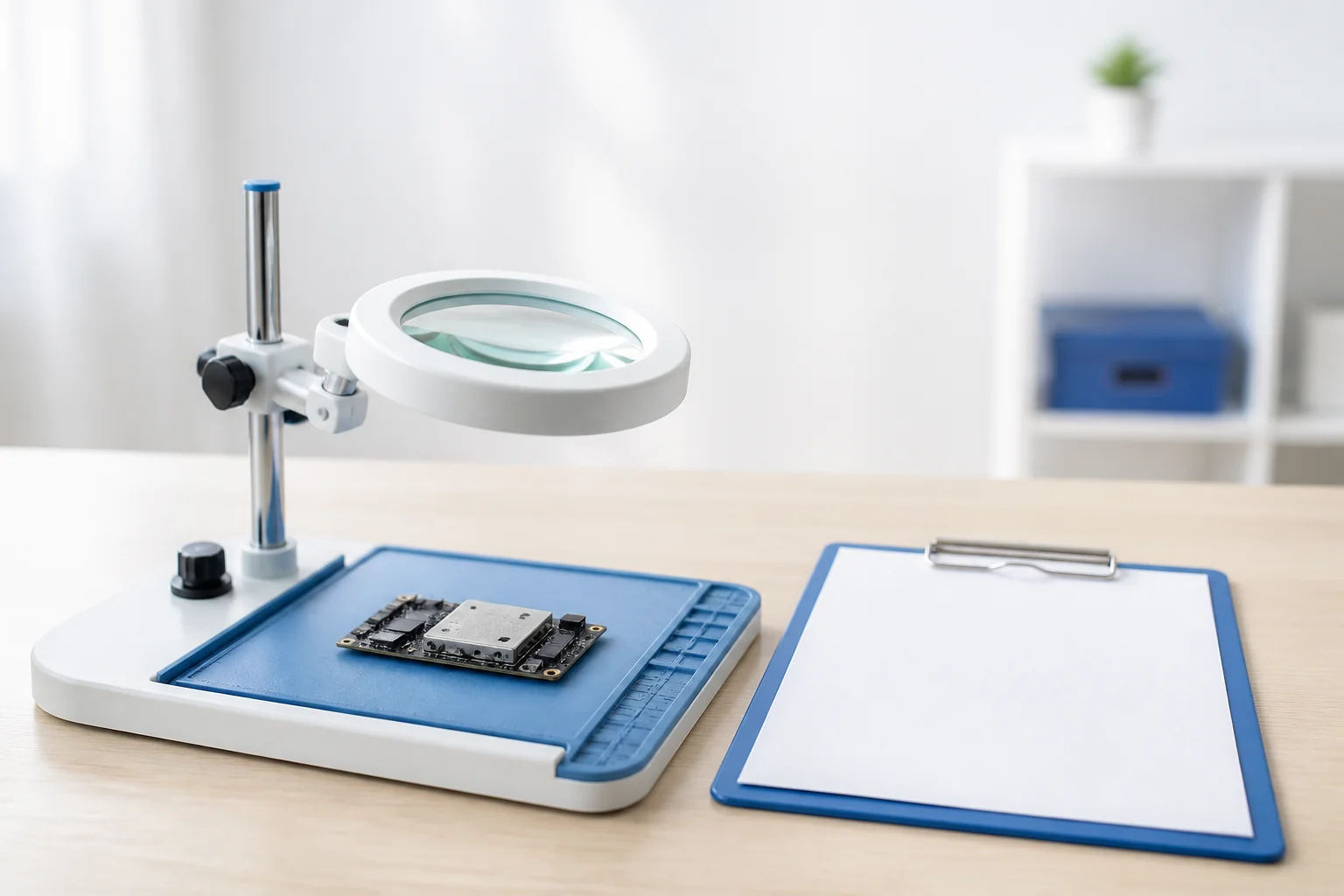
The distance between a product photo and the product in your customer's hands is where most importers lose money. Quality problems found after shipment cost you freight, refunds and reputation, while the same problems found before shipment cost only time. That is the entire argument for pre-shipment quality inspection in China, and it is the cheapest insurance an importer can buy. This guide explains the inspection stages, the sampling rules behind them, and how modern video inspection changes the game for small buyers.
Why Inspection Matters More Than Ever
Three forces make inspection more valuable now than a decade ago.
- · Rising customer expectations: online reviews punish quality failures instantly, and returns are more expensive than ever
- · Supplier consolidation: fewer, larger factories mean a single bad batch hits you harder
- · Buyer asymmetry: you are thousands of miles away; the factory sees your goods, you see photos, and inspection closes that gap
The math is simple: the inspection costs 1–3% of the order value, while a failed shipment can cost 30–100% of it in freight, refunds and lost customers.
The Four Inspection Stages
Inspection is not a single event. It is a sequence that follows the production timeline.
- · Pre-production inspection: checks raw materials and components before the factory starts, catching problems at the cheapest stage
- · During-production inspection: samples are pulled mid-run, so defects are fixed before the whole batch is made
- · Pre-shipment inspection: the final random sampling of finished goods, before packaging and loading
- · Container loading inspection: verifies that what was inspected is what gets loaded, and that loading is done properly
For most first-time orders, a pre-shipment inspection is the minimum. For repeat orders of established products, during-production plus pre-shipment is the professional standard.
AQL Sampling Explained
Random sampling is based on an international standard called AQL (Acceptable Quality Limit), which is how factories and buyers agree on what "acceptable" means.
- · Sample size: derived from the batch size, so a 1,000-unit order typically samples around 125 units
- · Accept/reject thresholds: minor defects and major defects have separate limits, usually expressed as 2.5 and 1.0
- · Critical defects: safety or legal issues that fail the inspection regardless of count
AQL exists so that the standard is objective and shared: you are not relying on the factory's judgment, and it is not relying on yours.
Video Inspection: Seeing Your Actual Goods
Traditional inspection reports are text and numbers. Video inspection adds evidence you can see before you pay.
- · 1×1 video checks: every unit is checked for function, appearance and packaging, recorded on video
- · Live sessions: you can join the inspection in real time and ask for specific checks
- · Evidence files: video and photos become part of your order record, protecting you in disputes
For small and medium buyers, 1×1 video inspection is the closest thing to being at the warehouse yourself, at a fraction of the cost of a visit.
How to Build Inspection Into Your Process
Inspection only works if it is designed into the order, not added at the end.
- · Put inspection terms in the order: agree on the standard, the stage and the sampling level in writing before production
- · Tie payment to inspection: structure payments so the final balance releases only after a passed inspection
- · Use the same standard every time: consistency lets you compare suppliers and spot trends early
- · Keep a defect log: patterns across orders reveal which factories and categories need more attention
A China sourcing agent handles these steps as part of the sourcing process, which is why buyers who use agents see fewer quality surprises.
What to Check in a Typical Inspection
The check list depends on the product, but the core stays the same:
- · Quantity and packaging: counts, seals, cartons and labels matching the order
- · Appearance and workmanship: surfaces, seams, printing and assembly quality
- · Function testing: every unit powered on and tested, or a statistically valid sample
- · Accessories and documentation: manuals, cables and certificates matching the spec
- · Markings and compliance: logos, warnings and safety marks required by your market
Protect Your Next Order
China quality inspection is not an obstacle between you and your goods, it is the tool that makes imported products reliable enough to sell. Inspection before shipment, tied to payment and built into the order terms, is the difference between a sourcing business that compounds and one that refunds.
Planning your first order? Start with our sourcing guide for small retailers, and when you are ready to verify a supplier or a batch, contact us for an inspection plan with a $0 consultation fee.